The Divine Presence of Seetha Amman Kovil
December 4, 2025 | Ella Rides
The Divine Presence of Seetha Amman Kovil: A Pilgrimage Guide
In the heart of Hindu faith, Goddess Sita stands as a symbol of strength and devotion. Known as Seetha in South Indian traditions, she captivates devotees with her story of unwavering love from the Ramayana. These Seetha Amman Kovils, or temples, pulse with a special energy that draws pilgrims seeking peace and blessings.
This guide explores the rich history, stunning designs, key rituals, and tips for your visit to these sacred spots. You'll learn about famous sites and how they connect to ancient tales. Whether you're a devotee or a curious traveler, this piece equips you to make the most of your spiritual journey.
Historical Roots and Mythology of Seetha Worship
The Ramayana Connection: Sita’s Exile and Spiritual Presence
The Ramayana tells of Sita's abduction by Ravana and her time in exile. Key spots in the story, like forests in Sri Lanka and India, now host Seetha Amman Kovils. These places mark where she prayed or faced trials, turning them into holy ground.
Devotees believe Sita's presence lingers at these sites. Her endurance during hardship inspires millions. Each temple ties back to a moment when her faith shone through.
Pilgrims visit to feel that same divine touch. The epic's events ground these kovils in real landscapes. This link makes worship feel alive and personal.
Evolution of Seetha Amman Kovil Consecration
Standalone Seetha Amman temples grew from the 16th century onward in South India and Sri Lanka. Many started as small shrines inside Rama temples but expanded into main spots for her worship. Kings and locals built them during times of peace to honor her role.
Unlike sites where Sita joins Rama as a side deity, these kovils put her front and center. In Tamil Nadu, Chola rulers added her shrines around the 10th century. Sri Lanka's versions blend local customs with Hindu roots from ancient migrations.
This shift highlights Sita's rise as a solo figure of power. Communities adapted rituals to fit her story. Today, they stand as key stops on Ramayana trails.
Archaeological and Inscriptional Evidence
Old stones and carvings prove these kovils date back centuries. In Sri Lanka's Seetha Amman Temple, digs uncovered pottery from the 5th century BCE, linking to epic times. Tamil inscriptions from the Pandya era mention offerings to Seetha Amman.
Chola records from the 9th century describe temple grants for her festivals. These writings show royal support for her worship. Artifacts like bronze idols confirm early devotion.
Such finds add depth to the sites. They bridge myth and history for visitors. Exploring them reveals layers of faith over time.
Architectural Marvels and Iconography
Distinctive Dravidian Temple Styles
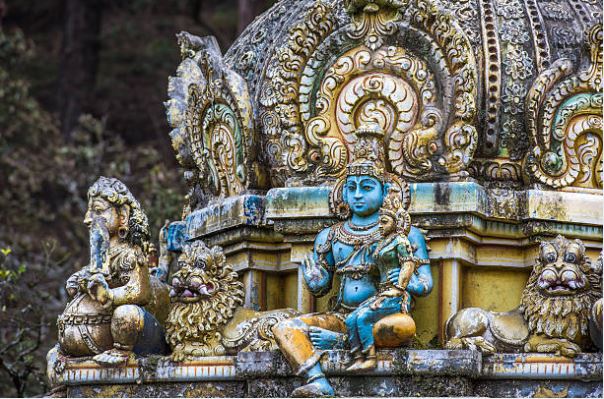
Seetha Amman Kovils often feature tall gopurams, or gateways, carved with gods and scenes from the Ramayana. In South India, vimanas rise above the sanctum in pyramid shapes, common in Dravidian builds. Stone mandapams provide shaded spots for prayers.
These designs use local granite for strength against monsoons. Arches and pillars show floral patterns tied to Sita's forest life. Sri Lankan versions mix Hindu towers with colonial touches from British days.
The style invites you to step into the epic. Colors like red and gold highlight key areas. Each element tells a part of her tale.
Iconography: Depicting Goddess Sita
Sita appears seated or standing, hands in blessing mudras. She holds a lotus or blue lily, symbols of purity. Often, Rama stands beside her, with Lakshmana and Hanuman nearby.
Her calm face shows inner peace amid trials. Gold jewelry and silk sarees adorn the idol. In some kovils, she's shown with earth, recalling her Agni Pariksha.
These images draw your eyes to her grace. Devotees touch her feet for luck. The setup makes her feel close and real.
Temple Layout and Sacred Geography
A typical Seetha Amman Kovil starts with an outer wall and entry tower. The main shrine houses the moolavar, surrounded by halls for gatherings. Side shrines honor Rama's allies like Hanuman.
Sacred tanks, or theerthams, let you bathe for cleanse. Sthala Vriksham, like banana trees, mark holy spots under which Sita rested. Paths wind through gardens echoing her exile woods.
This setup guides your steps like a story. Water and trees add a natural vibe. It all works to deepen your bond with the divine.
Key Seetha Amman Kovils: Centers of Pilgrimage
Spotlight on Major Regional Shrines
The Seetha Amman Temple in Nuwara Eliya, Sri Lanka, sits amid misty hills where Sita hid from Ravana. Built in 1940, it draws over 100,000 visitors yearly for its peaceful vibe and Ramayana ties. Special lamps light up during full moons.
In India, the Janaki Temple in Janakpur, Nepal, honors Sita's birthplace. This 17th-century site features silver doors and intricate wall art from her wedding. Pilgrims from across borders flock here for vivid festivals.
Another gem is the Seetha Devi Temple in Harihara, Karnataka, India. Linked to her southern journey, it boasts a rare rock-carved idol. Local lore says prayers here heal family woes.
These spots vary but share Sita's spirit. Each offers unique views and rituals. Plan to visit one for a fresh take on her story.
The Significance of Sthala Purana (Temple Legends)
Local tales, or Sthala Puranas, give each kovil its charm. At Nuwara Eliya, legend says Sita stepped on a rock that still bears her footprint. Devotees touch it for fertility boons.
In Janakpur, stories claim the ground bloomed flowers on her birth night. These myths explain the site's power. They guide what you pray for.
Such legends pull crowds seeking specific help. Like a personal map to miracles. They make the temple more than stone and prayer.
Community Impact and Patronage
These kovils boost local jobs through tourism and events. In Sri Lanka, the Nuwara Eliya temple supports nearby farms with festival sales. Indian sites like Janakpur aid schools via donations.
Historical patrons included Sinhalese kings who rebuilt after wars. Modern donors, like business leaders, fund repairs. This keeps traditions alive.
Communities gather for shared meals and chants. The temples foster unity. They turn faith into everyday support.
Rituals, Festivals, and Devotional Practices
Daily Poojas and Worship Schedules
Morning poojas start at dawn with bells and lamps. Priests chant Sita's slokas from the Ramayana. Evenings bring aarti with camphor flames.
You can join six daily rituals, each lasting 20 minutes. Mantras like "Jai Siya Ram" fill the air. It's a simple way to connect.
These routines keep the energy high. Devotees time visits around them. The rhythm feels comforting and steady.
Major Annual Festivals Dedicated to Seetha
Sita Navami in April celebrates her birth with sweets and processions. Idols ride chariots through streets lined with flowers. Fireworks end the night.
Ram Navami ties in her marriage, with temple dances retelling the wedding. In Sri Lanka, Ashoka Vatika festivals mark her captivity with plays. Thousands attend for blessings on unions.
These events mix joy and reflection. You might catch one for a deeper dive. They highlight her life's key moments.
Unique Offerings and Votive Rituals
Bring lotus garlands for purity and marital harmony. Sweets like laddu seek her favor against troubles. Tie yellow threads on trees for protection.
For boons, offer coconuts cracked in her name. These acts stem from her trials in the forest. They aim to invite her grace into your life.
- Lotus garlands: For love and peace.
- Sweets: To sweeten hardships.
- Threads: Ward off evil.
Simple steps make your visit meaningful. Locals share tips on the best ones.
Planning Your Spiritual Visit
Navigating the Pilgrimage Journey
Reach Nuwara Eliya by train from Colombo, a scenic four-hour ride. Buses run often to Janakpur from nearby cities. Stay in guesthouses near the gates, starting at $20 a night.
Wear modest clothes: cover shoulders and knees. No shoes inside, and skip photos in sanctums. Arrive early to beat crowds.
Pack water and snacks for long waits. Guides at sites explain rules. It's straightforward once you're there.
Maximizing the Spiritual Experience
Fast on fruits before going to clear your mind. Read Sundara Kandam from Ramayana for context. Meditate on Sita's strength during travel.
At the temple, sit quietly after pooja. Chant her name softly. This builds a real link.
Journal your thoughts post-visit. It locks in the peace. Small prep goes a long way.
Conclusion: The Enduring Grace of Seetha Amman
Seetha Amman Kovils blend history, art, and faith into living spaces of hope. From Ramayana roots to daily rituals, they showcase Sita's timeless lessons of loyalty and courage. These sites remind us of divine bonds that outlast trials.
Preserve them by visiting mindfully and supporting locals. Her story speaks to all, urging strength in tough times. Head to a kovil soon—feel her grace yourself and carry it home.
Ready to Explore Ella?
Let Ella Rides help you make the most of your trip. We offer reliable and comfortable transportation services.
Book Your Ride